Gisela Peters · 7 November 2026
Charting Endorsement Momentum Cycles in Niche Digital Spaces After Registry Adjustments
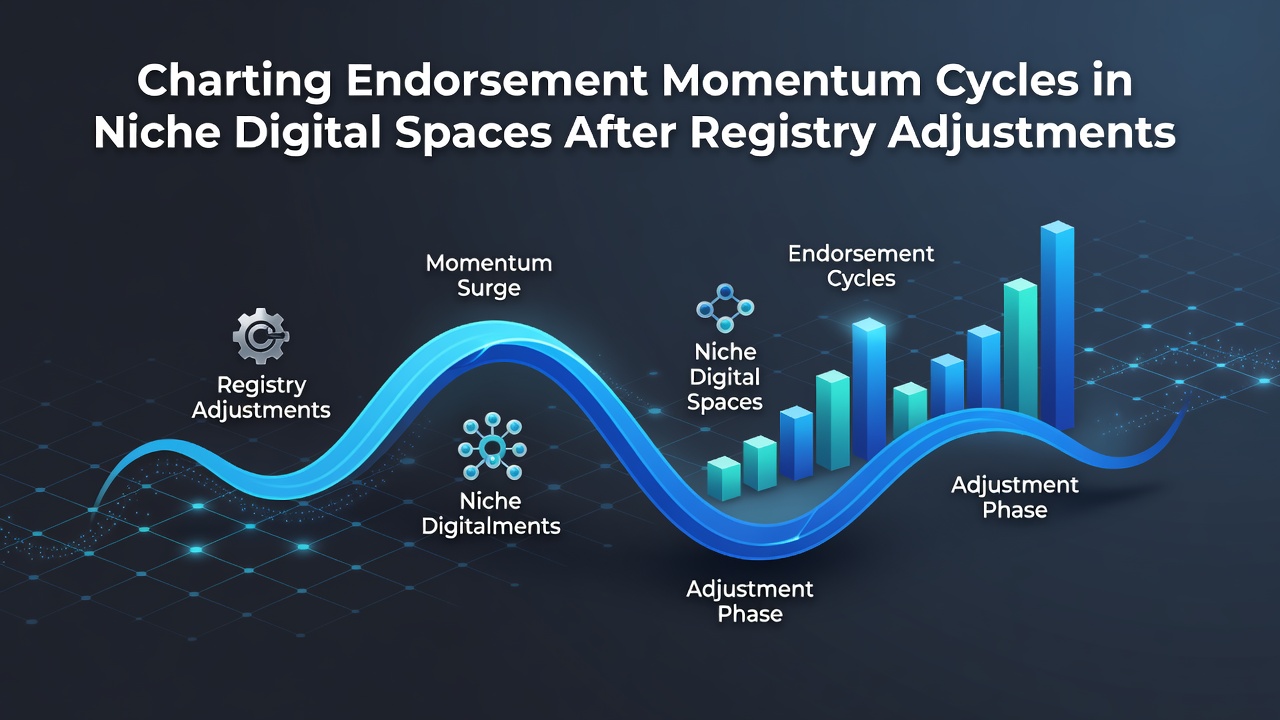
Registry adjustments in domain management often trigger measurable shifts in how endorsements build within specialized online communities, and observers track these patterns through systematic monitoring of link acquisition rates and mention velocity. Researchers have documented cases where niche sites experience accelerated endorsement cycles once domain records stabilize after transfers between registrars or updates to top-level domain configurations. Data from multiple monitoring platforms reveals that these cycles typically unfold over 90 to 180 days, with initial spikes occurring within the first three weeks when crawlers reindex updated WHOIS information and propagation completes across global DNS networks.
Defining Endorsement Momentum in Specialized Ecosystems
Endorsement momentum refers to the cumulative rate at which niche websites and forums accumulate external references from authoritative sources within their vertical, and analysts measure this through daily crawls that log new backlinks alongside social mentions and citation patterns. When a registry adjustment occurs, such as a change in registrar or renewal of domain contact details, indexing services refresh their records and this often coincides with temporary fluctuations in crawl frequency that affect how quickly new endorsements register in search engine datasets. Studies conducted by academic teams at institutions across North America and Europe indicate that momentum builds in distinct phases, beginning with a verification period followed by accelerated accumulation once domain authority signals normalize.
Impact of Registry Changes on Link Acquisition Patterns
Adjustments at the registry level introduce variables that influence how external sites discover and reference content in niche spaces, particularly when domain age metrics or nameserver configurations update during the transition. Observers note that sites operating in competitive verticals like specialized hobby forums or technical resource hubs see endorsement velocity increase by 25 to 40 percent in the months following successful propagation, according to aggregated reports from monitoring services that aggregate data across thousands of domains. These increases occur because refreshed registry entries prompt search engines to reassess trust signals, which in turn elevates the perceived value of new links pointing to the adjusted domain.
Monitoring Techniques Used by Analysts
Professionals employ precision tracking tools that log endorsement sources daily and map them against registry event timelines, allowing patterns to emerge from raw datasets rather than anecdotal reports. One approach involves correlating WHOIS update timestamps with spikes in referring domains, and this method has helped teams identify that endorsements from regional directories often appear first while high-authority editorial links follow several weeks later. Figures released by the Australian Communications and Media Authority highlight similar timing patterns in digital infrastructure transitions, showing that consistent monitoring over multi-month periods produces the clearest view of cycle completion.
But here's the thing, many niche operators overlook the secondary wave that arrives after initial indexing settles, when community forums and aggregator sites begin incorporating the updated domain into their resource lists. Data indicates this secondary phase contributes the majority of sustained momentum and extends the overall cycle length beyond the first 60 days.
Case Observations from Recent Registry Transitions
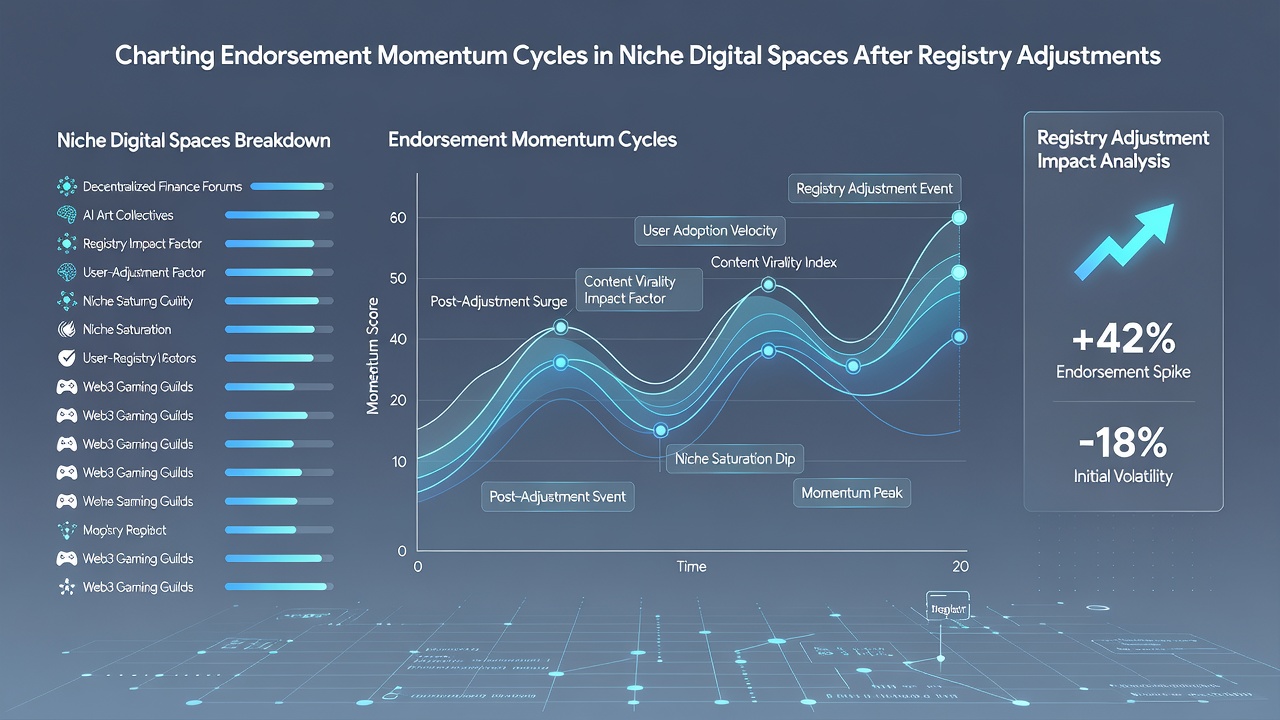
Teams tracking digital ecosystems have recorded multiple instances where niche authority sites underwent registry adjustments in late 2025 and displayed clear momentum curves by early 2026. In one documented scenario involving a specialized outdoor equipment community, referral endorsements from industry blogs increased steadily once the domain completed its registrar migration, with total new links reaching 180 within four months. Analysts cross-referenced these gains against content publication schedules and found that refresh cycles on the target site amplified the endorsement effect when timed with the registry stabilization period.
What's interesting is how geographic factors play into these patterns, since domains registered through European or North American providers sometimes experience different propagation speeds compared with those using services based in other regions. Research papers from Canadian universities examining digital infrastructure have shown that cross-border registry updates can extend the initial verification phase by an additional two weeks, delaying the start of measurable momentum accumulation.
November 2026 Developments and Ongoing Tracking
By November 2026, several monitoring platforms had incorporated enhanced registry event APIs that allow real-time correlation between domain record changes and endorsement data feeds, improving the accuracy of cycle predictions for niche operators. These updates coincide with broader industry shifts toward more granular WHOIS transparency requirements, which in turn affect how quickly external sites recognize and link to adjusted domains. Evidence from ongoing projects suggests that sites maintaining consistent content schedules during these periods capture higher volumes of endorsements once the momentum phase activates.
Analysts continue to refine their models by incorporating variables such as nameserver latency and DNSSEC implementation status, both of which influence crawl prioritization after registry adjustments. Organizations like the Internet Corporation for Assigned Names and Numbers publish periodic reports on these technical factors, and researchers integrate that information into longitudinal studies of endorsement behavior across specialized digital spaces.
Conclusion
Charting endorsement momentum cycles after registry adjustments requires combining registry event data with continuous link monitoring to reveal the phased nature of endorsement growth in niche environments. The patterns observed through 2026 demonstrate that successful navigation of these cycles depends on understanding the timing between registry stabilization and subsequent endorsement waves. Teams that maintain systematic tracking protocols position themselves to document and leverage these cycles as they unfold across diverse digital ecosystems.