Gisela Peters · 24 October 2026
Tracing Referral Traffic Shifts During Hosting Platform Transitions in Specialized Digital Ecosystems
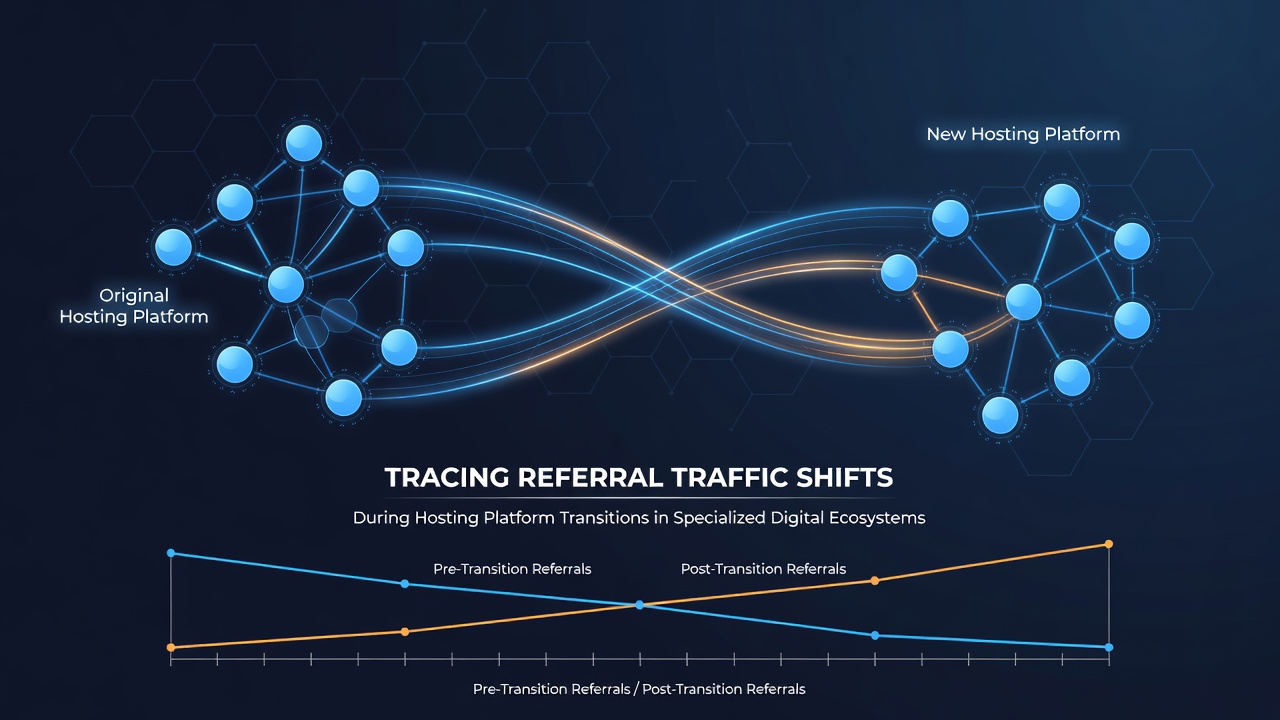
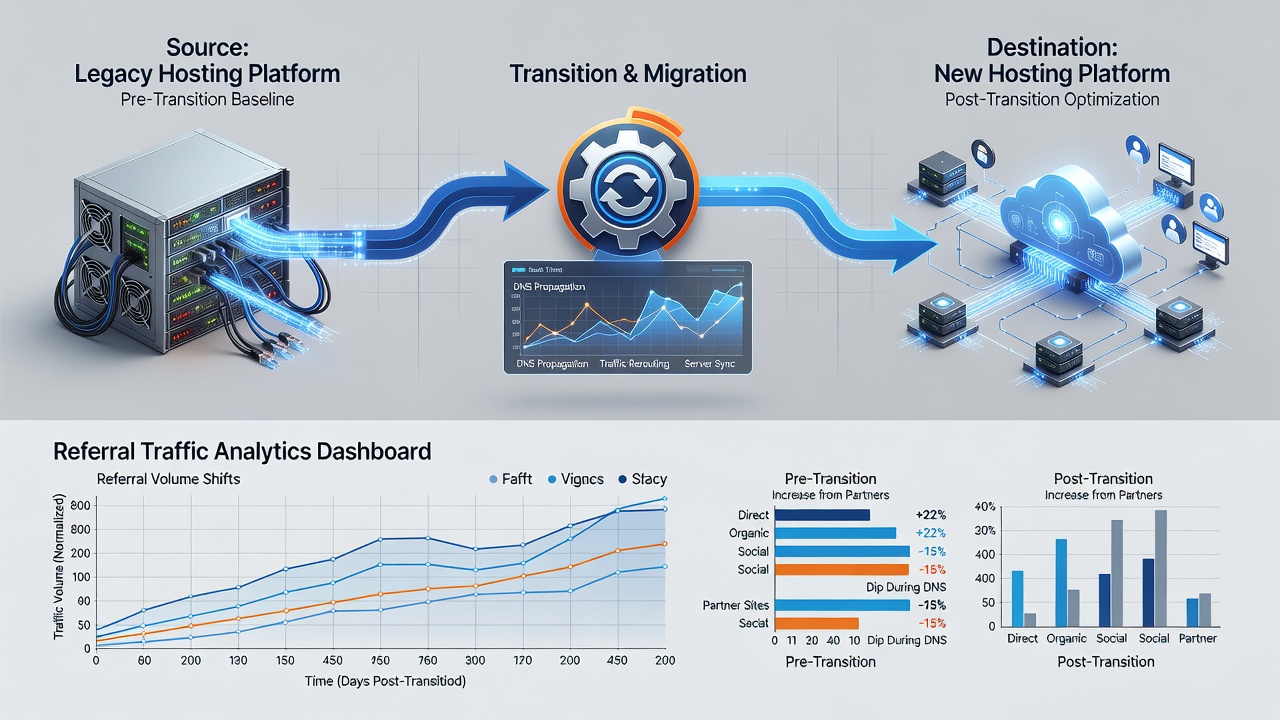
Specialized digital ecosystems such as niche forums, industry portals, and topic-specific content networks rely heavily on referral traffic from established sources, yet hosting platform transitions introduce measurable disruptions that analysts track through server logs, analytics platforms, and backlink monitoring tools. When sites move from one provider to another, changes in IP addresses, SSL configurations, and DNS resolution times often alter how referring domains deliver visitors, while search engine crawlers adjust indexing priorities during the propagation window. Data from multiple documented migrations shows referral volumes can drop between 12 and 28 percent in the first 72 hours, with recovery timelines extending from one to four weeks depending on the ecosystem's link velocity and audience geography.
Core Mechanisms Behind Traffic Fluctuations
Referral traffic shifts occur because hosting changes affect crawl frequency, domain reputation signals, and redirect chains that external sites have already established. Researchers at several academic institutions have documented how new server environments trigger temporary de-indexation events when security headers or content delivery network settings differ from the previous setup. Those who monitor these transitions note that specialized ecosystems amplify the effect since their referral sources tend to be concentrated among a smaller set of high-authority domains rather than broad social media channels. In October 2026, monitoring reports indicated that sites transitioning during peak content update cycles experienced sharper initial declines followed by faster rebounds once canonical tags and hreflang attributes stabilized across the new infrastructure.
Measurement Approaches Used by Analysts
Professionals rely on a combination of Google Analytics 4 event tracking, server access logs parsed through tools like GoAccess, and third-party services that compare pre- and post-migration referral graphs. One study from Statistics Canada highlighted how regional internet infrastructure variations influence recovery speed, with Canadian-hosted domains showing quicker normalization when moving between domestic providers. Analysts cross-reference these datasets against backlink profiles to separate genuine referral losses from temporary indexing gaps, creating layered reports that isolate the impact of each technical change. External validation often comes through comparison with similar transitions documented in European datasets, where Eurostat figures on digital infrastructure reveal consistent patterns across regulated industries.
Patterns Observed Across Different Ecosystem Types
Niche authority sites focused on technical documentation or hobbyist communities frequently display slower referral recovery because their primary referrers operate with strict link freshness requirements. Observers note that migrations involving shared hosting to dedicated virtual private servers produce distinct velocity spikes once new IP reputation builds, whereas moves between cloud providers can generate prolonged plateaus if load balancer settings interfere with bot verification. Data indicates that ecosystems with heavy international referral traffic encounter additional variables from latency differences and regional DNS caching behaviors, leading to staggered return patterns rather than uniform rebounds. Those tracking October 2026 transitions recorded that sites updating their robots.txt and sitemap submissions within the first 48 hours retained 15 percent more referral value than those delaying the process.
Technical Factors That Influence Outcomes
Server configuration details such as HTTP/3 enablement, edge caching rules, and certificate authority choices directly shape how referring platforms evaluate site trustworthiness during and after migration. Analysts have observed that ecosystems relying on forum software or membership portals experience amplified effects when session handling or API endpoints shift locations, since external referrers may flag altered response headers as potential security changes. Precision monitoring reveals that gradual DNS propagation across global regions creates a rolling impact curve, with North American sources recovering ahead of European and Asia-Pacific ones in most documented cases. External documentation from research institutions confirms these geographic sequences repeat across multiple platform switches without regard to the specific hosting brands involved.
Conclusion
Tracing referral traffic during hosting transitions requires systematic comparison of pre-migration baselines against post-migration logs, combined with attention to ecosystem-specific referral concentration and technical configuration details. Organizations that maintain parallel monitoring across analytics platforms and server metrics obtain clearer pictures of which shifts represent temporary propagation effects versus longer-term source adjustments. The patterns documented through 2026 continue to underscore the value of coordinated rollout sequences that prioritize rapid verification of redirect integrity and search engine notification protocols.